Bridal Lace Trends

Explore the latest design trends, styling inspirations, and sourcing guides for premium bridal and wedding dress lace trims.

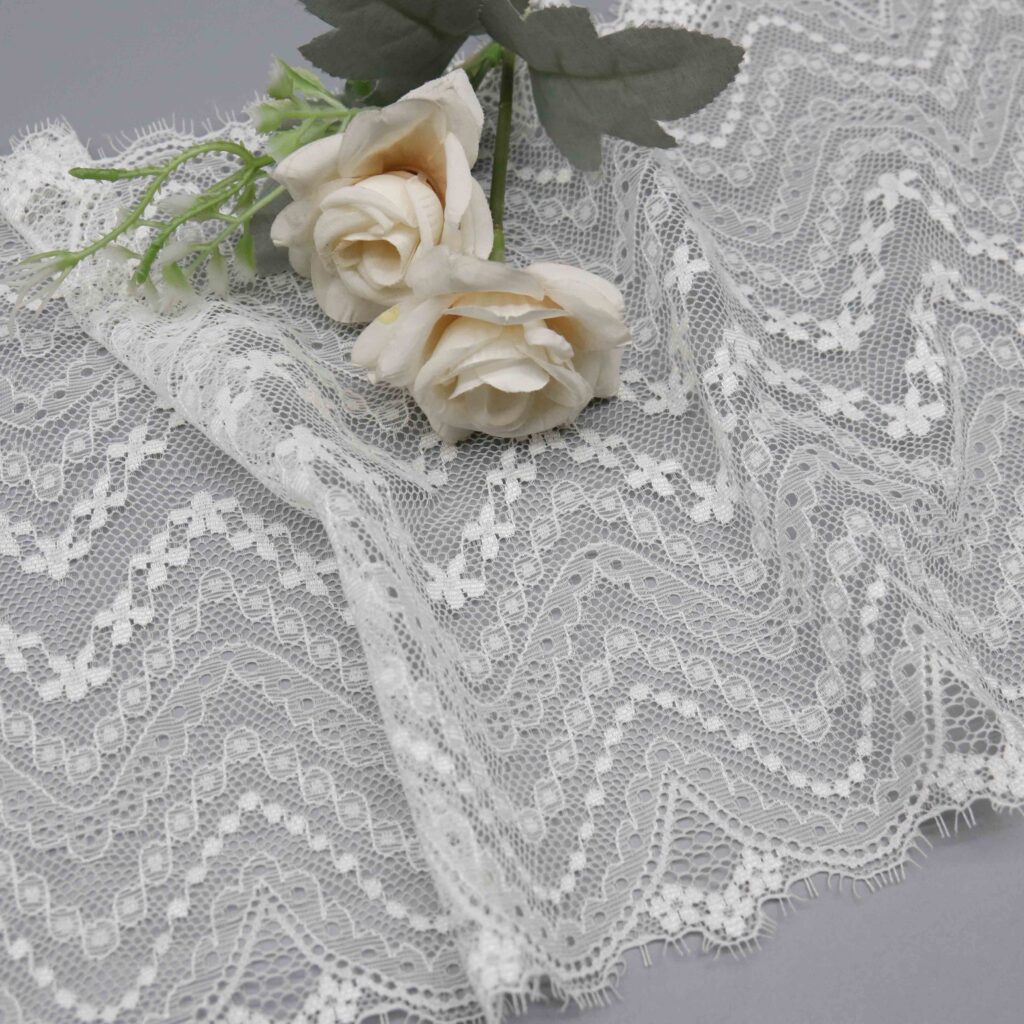
water-soluble lace trim quality

Premium vs Budget Water-Soluble Lace: What’s the Real Difference?

Two rolls of water-soluble lace sit on your desk. One costs $2 per yard. The other costs $10. They look similar in photos. So what justifies that 5x price gap? This guide breaks down the real differences between premium and budget water-soluble lace trim—what to look for, how to test quality fast, and when cheaper […]

Premium vs Budget Water-Soluble Lace: What’s the Real Difference? Read More »
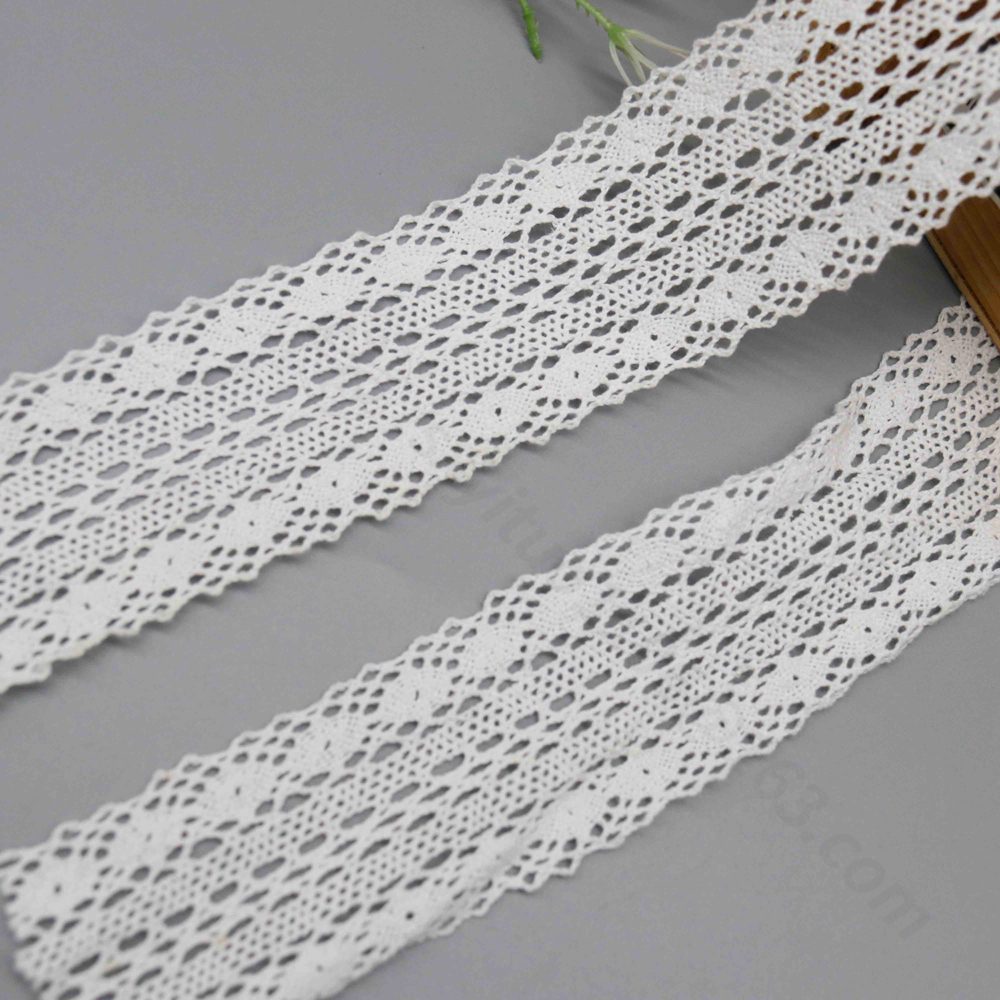
nylon mesh base with cotton thread embroidery

How to Choose Lace Trim for Lingerie: A Material Guide for Buyers

Lace trim directly impacts product quality, customer satisfaction, and return rates. Yet most sourcing decisions focus on price and appearance while overlooking material composition—the factor that determines long-term performance. The lingerie trim market offers three main material categories: pure cotton, pure synthetic, and blended constructions. Each serves different applications. Matching material properties to specific use

How to Choose Lace Trim for Lingerie: A Material Guide for Buyers Read More »

stretch lace trim in factory

From Lingerie to Outerwear: The Versatility of Stretch Lace Trim in Modern Fashion

Lace used to stay hidden. Under a blouse, inside a slip, tucked away where only the wearer knew it existed. That’s changing fast. The “lingerie as outerwear” trend has moved stretch lace trim from the undergarment drawer to the runway—and into everyday street style. Zalando reported a 140% increase in lace lingerie searches in 2025,

From Lingerie to Outerwear: The Versatility of Stretch Lace Trim in Modern Fashion Read More »

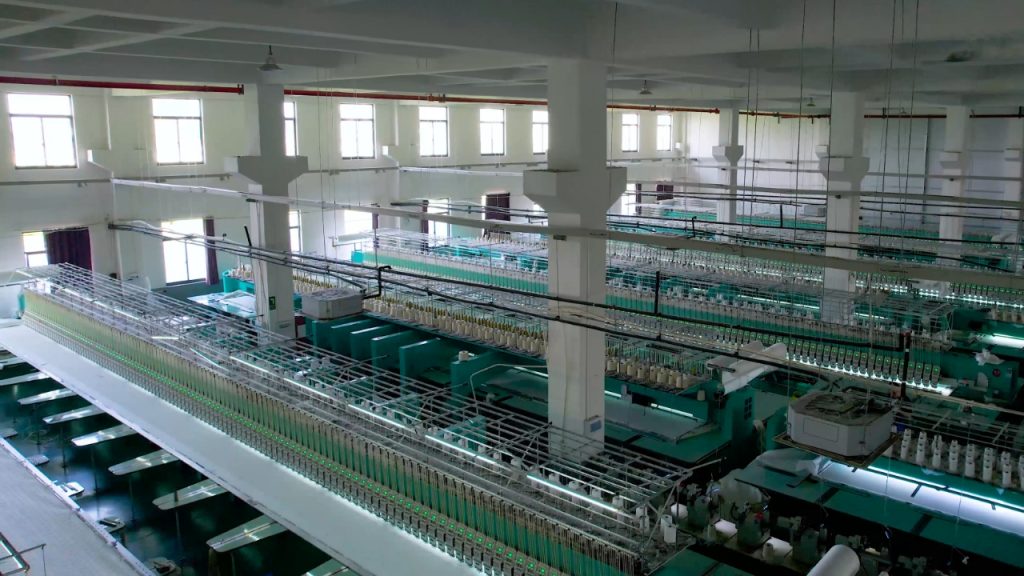
Modern lace production factory showcasing skilled technicians operating advanced embroidery machinery to manufacture premium quality lace.

History of Lace Machinery: From Handcraft to Industry 4.0 Smart Manufacturing

Lace originated in Europe but took root in China in the late 19th and early 20th centuries, introduced by missionaries in coastal regions such as Fujian and Zhejiang. With waves of mechanization, electrification, and digitalization, lace evolved from small folk workshops into modern, large-scale factory production, forming industrial clusters typified by Xiaoshan, Zhejiang. This article

History of Lace Machinery: From Handcraft to Industry 4.0 Smart Manufacturing Read More »

Selecting the Right Pattern Style

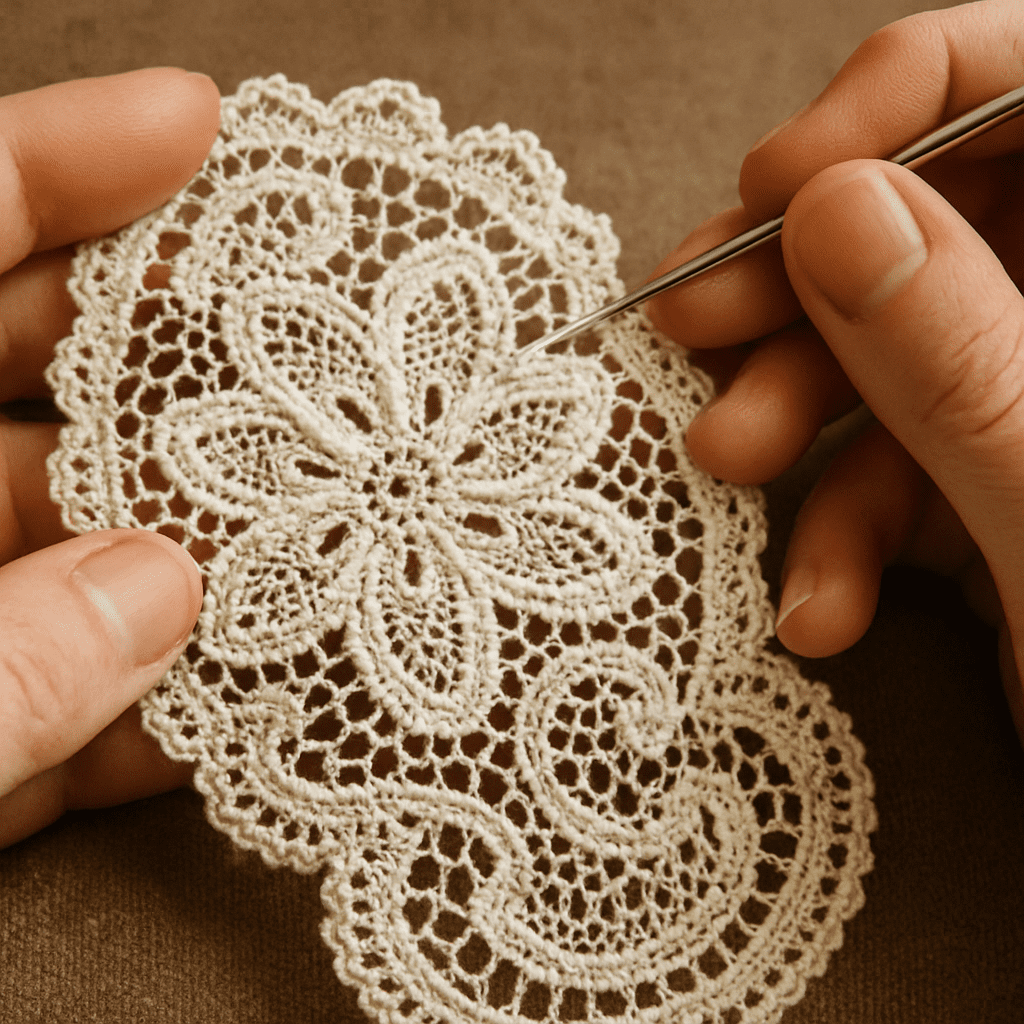
How Is Real Lace Made

Real lace is created through two distinct methods: intricate handwork that takes months to complete, or specialized machines that can produce similar patterns in hours. Both processes transform simple thread into delicate, openwork fabric featuring elaborate patterns of loops, twists, and knots. The fundamental difference lies in time and technique. Handmade lace requires skilled artisans

How Is Real Lace Made Read More »